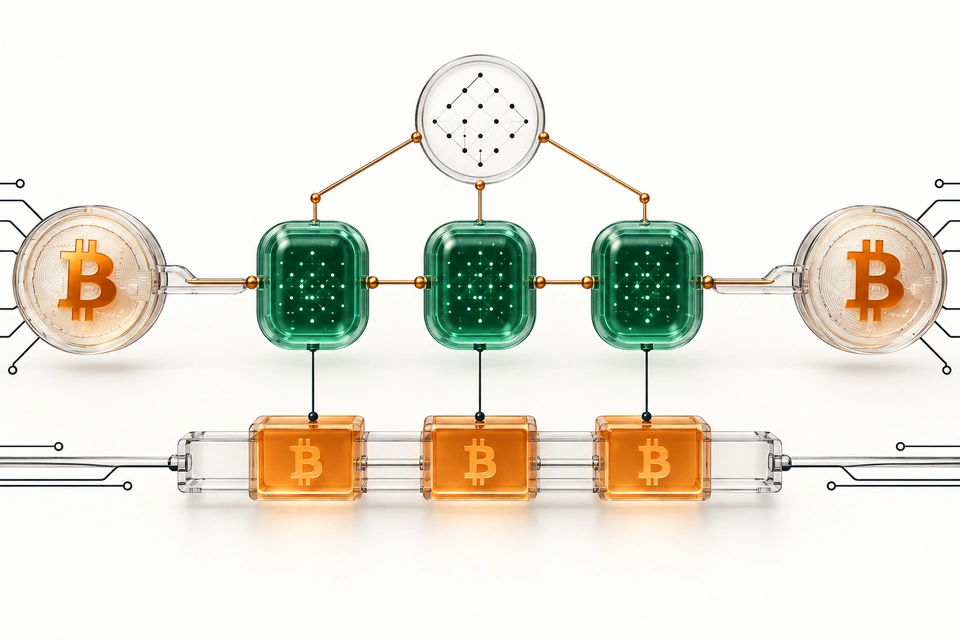

The proposed network is not a BSC replacement
The documentation calls the project New L1 and describes it as an EVM-compatible Layer 1 in the BNB Chain ecosystem. It is intended to run alongside BNB Smart Chain, not to migrate or switch off the existing network. A native bridge is planned between the two, but remains under development.
The development stage matters. The official FAQ says New L1 currently runs as an internal multi-validator devnet. There are no public RPC endpoints, explorer, faucet, final Chain ID or mainnet. It should therefore not be presented as a user-accessible network or as a completed launch.
Why BNB remains the shared asset
BNB is listed as the currency symbol in the network information, while BNB Chain materials describe its role in gas, staking and governance. That is a shared-asset design across multiple networks, not an announcement of a new token for the planned L1.
For BNB holders, this does not mean an automatic migration, a token distribution or a new yield product. Moving assets will depend on how and when the bridge is implemented, while wallet and exchange support will also depend on the individual service and its jurisdictional rules.
What the documentation actually promises
New L1 is aimed at latency-sensitive applications such as trading, payments and automated workflows. Its documentation sets out a 200-millisecond block interval, transaction preconfirmation, separated ordering and execution, and no global mempool.
It also describes native account abstraction, Multi-Lane capacity reservation and a shielded pool. These are design intentions and devnet parameters, not independently demonstrated public-mainnet performance. Meaningful validation will require a public network and supporting infrastructure.
What users and developers should watch
The relevant primary signals are a public testnet, final Chain ID, RPC endpoints, bridge parameters and security guidance. Until then, websites offering early access, a New L1 bridge or a New L1 token should be treated as higher risk: no separate asset is announced and public network endpoints do not yet exist.
EVM compatibility may make Solidity contracts easier to port, but the FAQ already notes RPC differences and unavailable methods. Developers should wait for final specifications and test wallets, indexing tools and the fee model before moving an application.