What happened
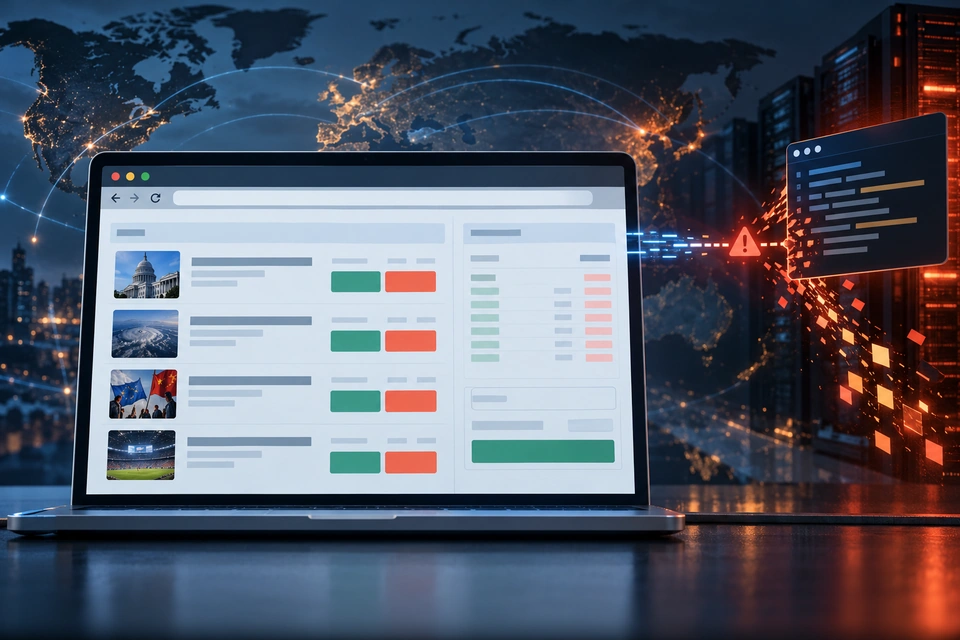
Polymarket first moved trading into a restricted mode and paused relayer actions, then temporarily halted its international platform. Its public notice attributed the event to a compromised third-party provider whose performance-monitoring script was loaded on the website.
That distinction matters. The public information points to an incident in an external web-component supply chain, not to a confirmed flaw in the platform's trading smart contracts. In this kind of event, a platform may limit operations while it assesses whether the external code could have affected users.
How the incident unfolded
Polymarket's status page says the company identified and fixed the issue before bringing the platform back online. The Associated Press likewise reported that the trading pause was temporary and that operations later resumed.
The full scope of the impact has not been publicly disclosed. For that reason, loss estimates circulating in individual reports and discussions should not be treated as established fact. What is confirmed is the provider incident, the precautionary halt, the restoration of service and the company's commitment to reimburse affected traders.
Why a third-party script can create risk
A modern web platform rarely consists only of its own code. Analytics, performance monitoring, support systems and other embedded components can run in a visitor's browser alongside the primary application. When a vendor behind one of those components is compromised, the risk can extend beyond that vendor's own infrastructure.
This is particularly sensitive for financial services because people interact with a browser interface, a wallet or an authentication flow in the same session. Pausing operations while the service investigates is inconvenient, but it can reduce the chance of further exposure while the affected dependency is isolated.
What the reimbursement promise means
Polymarket said it would make all affected users whole. That is a company commitment, not a description of completed reimbursements: public notices do not provide a complete list of cases, compensation amounts or processing timelines.
Anyone who notices unusual activity should retain their transaction history and contact the platform only through official channels. Never disclose a seed phrase, private key or verification code: legitimate support does not need those details to review a case.
The practical lesson for crypto-service users
The event is a reminder that risk assessment should include more than a blockchain or smart contracts. Even when the core infrastructure is not implicated, an external website component can lead to restrictions and additional scrutiny around user activity.
It is sensible to follow a service's official status page, verify the website address before signing in and treat unexpected signature requests cautiously. When a confirmed incident is underway, it is usually safer to wait for an official update and normal service restoration before taking further action.
- Polymarket linked the trading halt to a compromised provider of a monitoring script.
- The platform said it fixed the issue and resumed its international service.
- The possible total impact has not been publicly confirmed, so unverified estimates are not facts.
- The company promised to reimburse affected users.