What the El Zonte account actually establishes
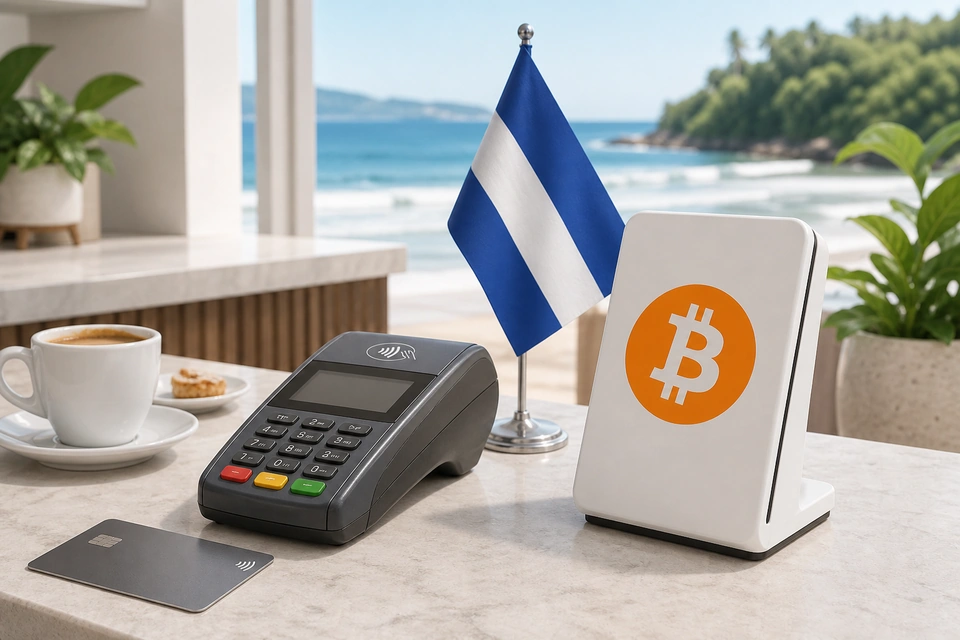
Bitcoin Core contributor Jon Atack said on August 23, 2026 that staff described his lunch purchase as their first Bitcoin payment that month, according to a report by 99Bitcoins. He subsequently clarified that the cafe still accepted BTC and that this was a single observation. It is an attributed account, not an independently audited transaction record.
That distinction changes the interpretation. Infrequent use is not the same as a payment option being unavailable. Without total sales, comparable periods and a sample of other merchants, the account cannot establish a national trend. It does not even provide enough information to calculate a percentage change for that particular business.
Voluntary acceptance is a 2025 reform
The policy change is not an August 2026 announcement. On February 26, 2025, the IMF approved an Extended Fund Facility arrangement worth about $1.4 billion for El Salvador. Its release described completed reforms making private-sector Bitcoin acceptance voluntary and tax payments payable only in US dollars.
A voluntary payment option can remain available. Removing an obligation does not tell us why any particular buyer selected a card, or whether a merchant's transaction mix changed because of the law. Treating the IMF agreement as a complete explanation for this cafe encounter would therefore go beyond the evidence.
Adoption difficulties predated the policy change
Research by Fernando Alvarez, David Argente and Diana Van Patten supplies an important chronological check. Yale School of Management explained in January 2024 that the researchers surveyed 1,800 households in February 2022 and compared the findings with available blockchain activity. Continued use of Chivo was limited after the initial incentives.
Their NBER working paper, issued in 2022 and revised in 2023, identified privacy concerns as a barrier to adoption. Those findings came before the 2025 reforms. They cannot establish today's payment share, but they prevent a misleading account in which all adoption difficulties began when mandatory acceptance ended. An earlier survey is historical context, not a current national measurement.
Measure repeat use, not just payment availability
For anyone assessing a payment product, the practical lesson is to separate distribution from demand. The number of shops equipped to accept a method measures availability. A more useful view of regular use would also track completed purchases, returning customers and whether staff can process a routine payment without assistance. None of those measures can be inferred from a sticker alone.
Testing the effect of a legal reform would require comparable observations before and after the change, with attention to seasonality and customer mix. A visitor's experience, application downloads and retail turnover answer different questions. Combining them into a single adoption claim without explaining the method makes the result harder to evaluate.
For a cafe customer, a sensible approach is less complicated: confirm the available payment method before ordering and keep an alternative available. One successful purchase or one refusal cannot describe the entire Bitcoin network. The El Zonte account raises a useful question about checkout convenience, but it does not demonstrate that Bitcoin payments have disappeared across El Salvador.