The precise question and answer
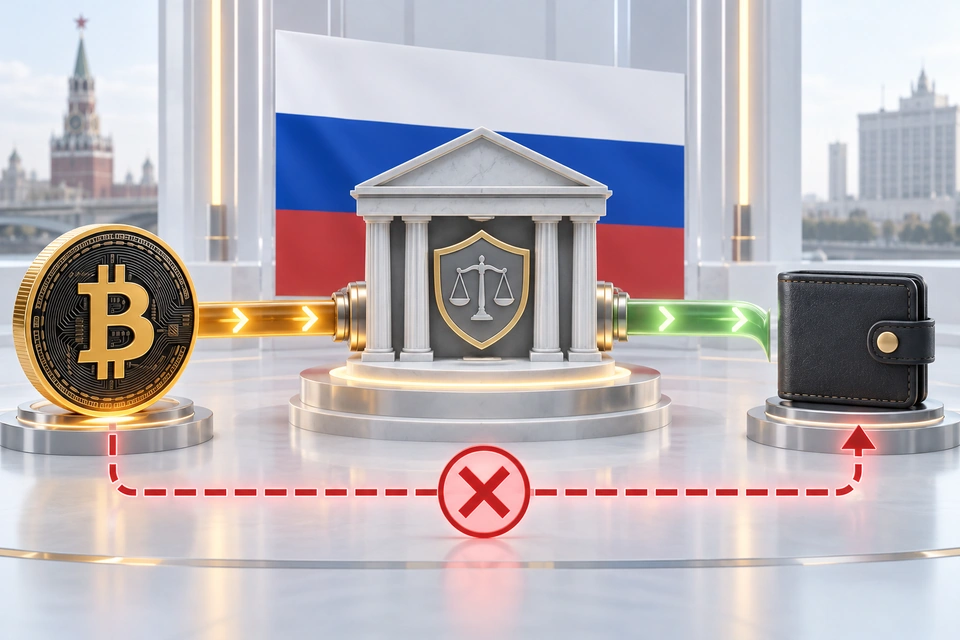
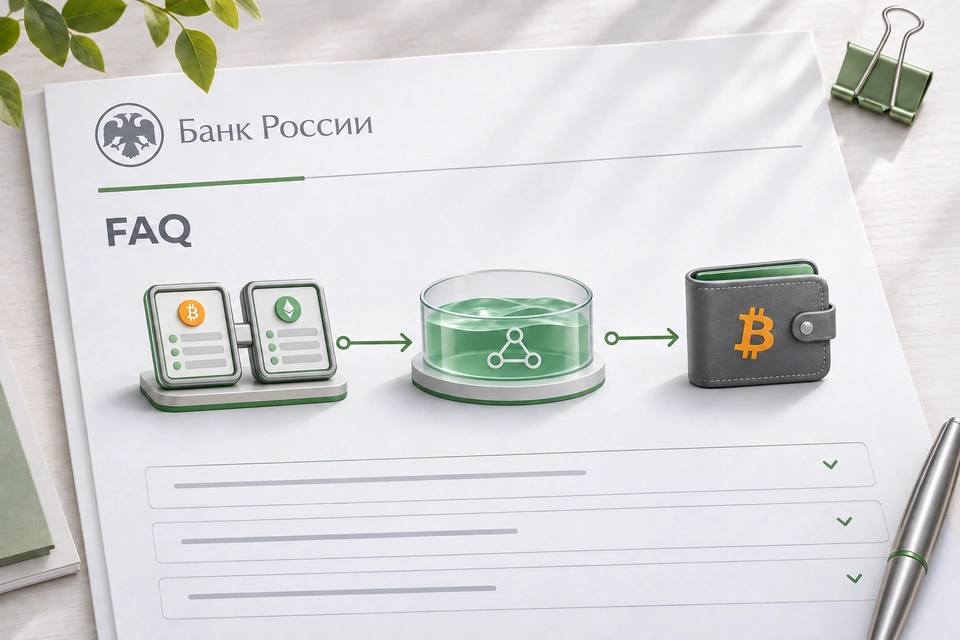
The regulator's question combines two features: a digital-currency transaction on a DeFi protocol and accounting for the currency at an address-identifier administered by no digital depository. Its answer is affirmative. It says these transactions do not fall within the definition of circulation of digital currencies in Article 2(1)(3) of Federal Law No. 282-FZ.
Both the actor and the transaction matter. The answer names a Russian crypto exchanger and the arrangement described in the question. It does not say that every DeFi transaction has the same legal treatment or that depositories have no role elsewhere under the law.
Why the distinction matters
The FAQ separates this exchanger transaction from the statutory category of digital-currency circulation. That distinction explains the central bank's answer about using an address outside a depository's administration. But the short response does not set out customer-identification, reporting, recordkeeping or other operational requirements for an exchanger.
Elsewhere in the same FAQ, the Bank of Russia discusses obligations of digital depositories and intermediaries. It would therefore be misleading to apply the DeFi answer to every activity of an exchanger. Other requirements depend on the organization's role and what a particular step of the service does.
What still needs scrutiny
An exchanger considering this model still needs to map its legal status and the transaction flow: who is the counterparty, where the currency is recorded and which actions constitute a customer service. Each step can then be checked against the statute and the regulator's other guidance. A public FAQ is not a legal opinion on an individual business model.
For users, the clarification is not a state guarantee of a DeFi protocol or a wallet address. Smart-contract, key-control and liquidity risks remain. The defensible takeaway is narrower than a general claim that the regulator has «approved DeFi»: it confirmed one defined arrangement for Russian crypto exchangers.