What was published
The document is dated September 11, 2026 and marked as a draft. The Bank of Russia says its board approved the draft and that comments are accepted through October 9. Its language therefore describes the regulator's planning and risk assessment; it does not itself replace a statute or an individual instruction.
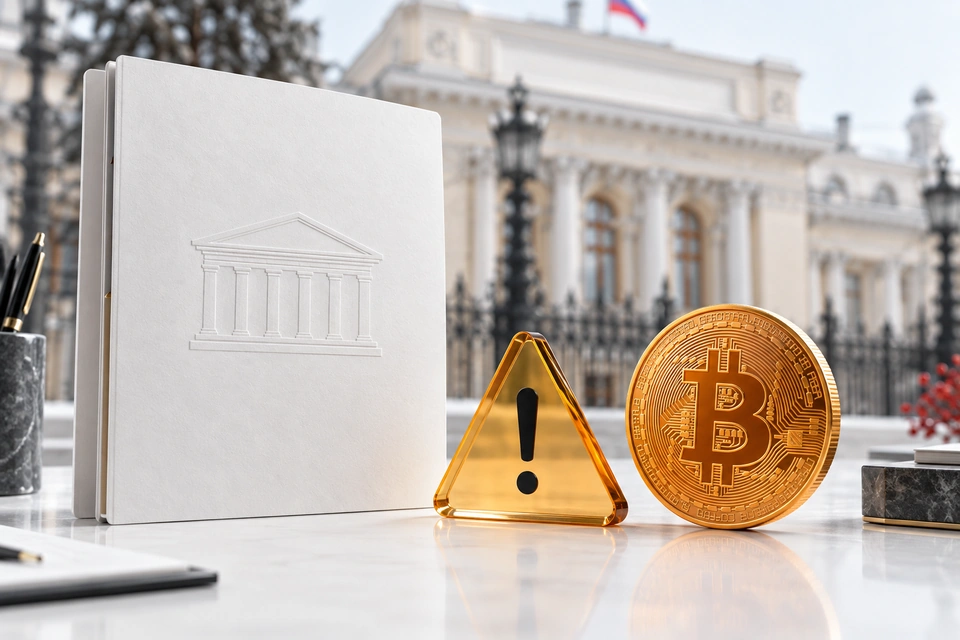
In the risk section, digital currencies and stablecoins appear alongside external, macroeconomic, technological and cyber risks. Readers should not turn that classification into a claim of prohibition: the document addresses risks to financial-market development.
Why digital assets are highlighted
The draft says that public involvement in digital-asset transactions can create a risk that such assets are used as alternatives to national currencies. It also points to the absence of an obligated person and backing for digital currencies, as well as the possibility of investor losses.
The Bank of Russia separately associates the anonymity of some assets and circulation on decentralized networks with the risk of unlawful use. That is the regulator's assessment, not a conclusion about the purpose of every transaction or every digital-asset holder.
What the document does not change
The Guidelines draft does not, by itself, set a new process for buying, selling, holding or taxing cryptoassets. Those consequences can only arise from laws, binding regulations and official guidance issued by competent authorities.
It is therefore not sound to infer a new ban or an immediate change in user rules from this publication. For material legal questions, consult current official acts and the facts of the specific case rather than relying on a headline or a summary of a draft.
How to read regulatory signals
Medium-term documents can show supervisory priorities and areas a regulator intends to watch. They cannot determine the content or timing of future rules. A draft, consultation, enacted rule and effective date are different legal stages.
The practical takeaway is simple: check the primary source, distinguish a draft from an enforceable rule and do not make financial decisions from regulatory rhetoric alone. When exchanging Bitcoin, the current rate, selected network, amount received and destination address remain more important operational checks.