What changed in the official terms
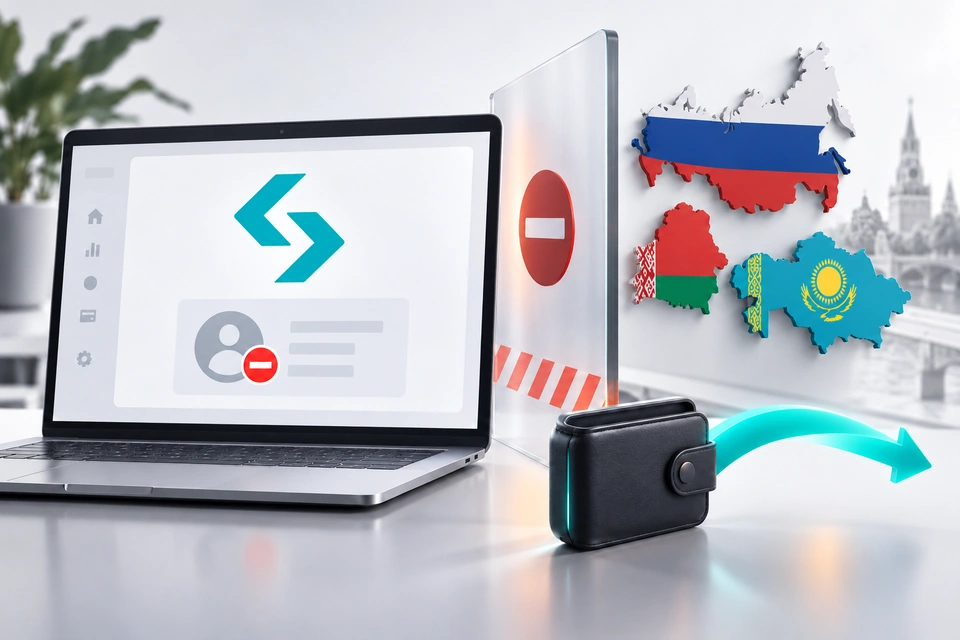
Bitget's Terms of Use page is marked as last updated on 16 October 2026. Its Prohibited Countries list includes Belarus, Kazakhstan, and Russia alongside other territories. The same document defines a Restricted Person to include a person or entity that resides, is established, or operates in a prohibited country.
This carries more weight than an interface setting or an unverified social-media report because it appears in the platform's own contractual terms. The public text does not explain why the list changed or which products will be affected for each customer. It should therefore not be used to infer a broader cause for the change or a legal status for every digital-asset activity in those countries.
Powers retained by Bitget's terms
The termination, suspension, and restrictions section gives Bitget authority to limit access to services and accounts, block or cancel transactions, restrict withdrawals, close open positions, and in defined circumstances convert assets. One listed trigger is that a user is no longer eligible for a service or is connected to a Restricted Person.
That wording does not establish that every one of those measures has already been applied to all customers in Russia, Belarus, or Kazakhstan. An account's actual treatment can depend on the product, identity checks, open obligations, and notice from the platform. It does mean, however, that customers should not treat prior access as a guarantee: the terms expressly allow service availability and transaction limits to change.
How to verify a notice without adding risk
The first places to verify are the email address attached to the account and the notices section within the official app or website. Compare the sender domain, date, requested actions, position status, and available withdrawal routes. Do not follow a link in an unexpected message. Open Bitget directly and look for the same information in the account.
Before moving an asset, retain transaction records and verify the receiving address. Borrowed balances, margin positions, bots, staking, and other products may have a different closure process from a simple spot withdrawal. Do not rely on dubious intermediaries or methods designed to evade restrictions. Where the notice is unclear, request written clarification through the platform's official support channel.
Why this matters beyond Bitget
For centralized exchanges, a user's geography is part of access control alongside KYC, sanctions screening, and product-level limits. Terms can change faster than a familiar interface, so it is sensible to review contractual documents periodically and keep records of balances and open obligations.
This is not investment advice. It is an operational point: keep contact details current, do not ignore exchange notices, and understand how self-custody and access to account records work before an urgent change arrives. Any transfer should still be made only after checking the destination address, network fee, and the requirements of the service involved.