What is confirmed
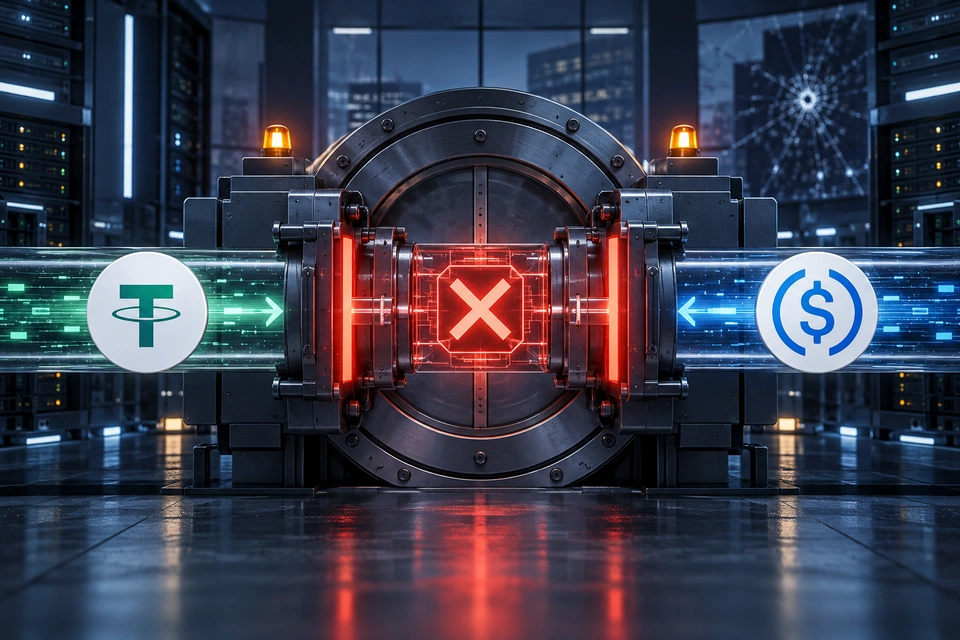
In its official update, Binance said it was investigating a security incident and working with blockchain partners to freeze affected assets. Its 30 October update put the amount frozen on-chain at roughly $3 billion.
The Associated Press and Reuters reported that Tether froze more than $1.5 billion in USDT and Circle more than $800 million in USDC. Those figures reflect company statements and may be revised as the investigation develops.
Why stablecoins can be frozen
USDT and USDC are issued by centralized organizations. Their smart contracts include mechanisms to block specific addresses under issuer compliance policies and cooperation with law enforcement.
That differs from Bitcoin, where no central issuer can unilaterally stop a transfer at the protocol level.
What it means for users
Binance said it intends to absorb the financial impact with company funds rather than customer funds. Users should follow only official exchange channels for restoration details.
Never disclose a seed phrase, private key or verification code in response to a promise to unfreeze assets. Uncertainty around compensation is often used for phishing.
Limits of a freeze
Freezing stablecoins can interrupt part of a funds trail, but it is not the same as a full recovery and it does not cover every cryptocurrency.
The final totals, technical cause and attribution require completed investigations. Binance, token issuers and law-enforcement updates are more reliable than unverified social-media posts.
- Binance reported roughly $3 billion in frozen on-chain assets.
- Tether and Circle publicly confirmed freezes of related funds.
- A freeze does not guarantee full recovery.
- Use official company channels for verified updates.